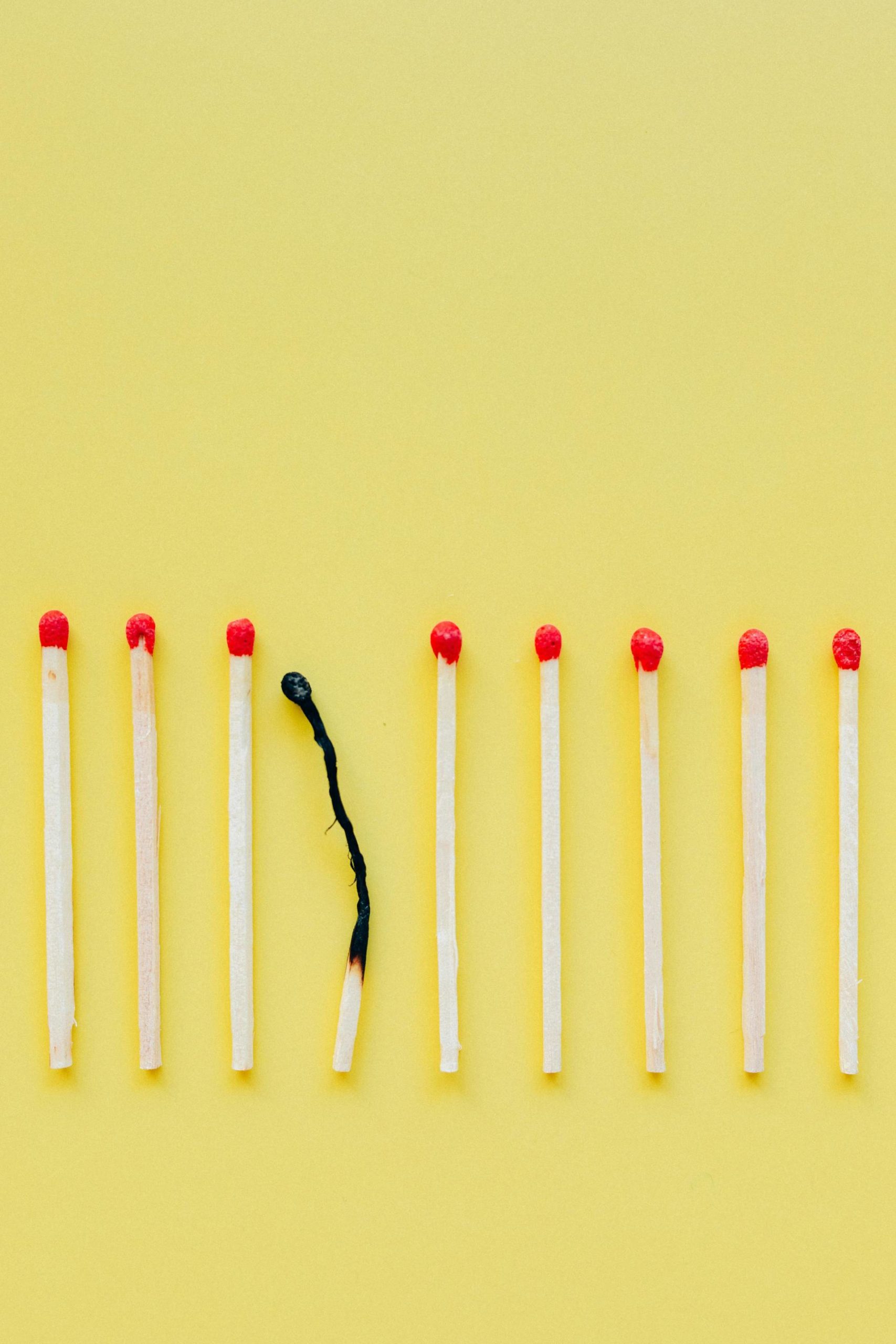
You have planned the journey, chosen where to stay and imagined everything you want to do once you arrive. But as the departure date approaches, another question begins to surface:
Will your energy keep up with the holiday you planned?
Perhaps you have already shortened the hike, chosen accommodation closer to everything or left time to recover after the journey. Or perhaps your plans have not changed, but lately even ordinary days have required more energy than they should.
Low energy does not always cancel your plans. More often, it quietly edits them.
There is nothing wrong with choosing a slower holiday or leaving space in your itinerary. Rest can be part of the pleasure of travelling. The more revealing question is whether those choices reflect the holiday you genuinely want or the amount of energy you expect to have.
Researchers use the term fatigability to describe how much effort or tiredness a particular activity produces. You may still complete the walk, tour or journey, but only by shortening the day, pacing yourself carefully or planning time to recover afterwards.
The important question is not whether you can push through the itinerary. It is whether familiar activities now demand more energy than they used to.
The week before a holiday often feels like doing two weeks at once: finishing work while organising everything else. That rush can explain temporary tiredness. But if your energy was already low before the packing began, the holiday may not be causing it, it may simply be removing your usual explanation.
A large systematic review of 91 studies, involving more than 623,000 participants, estimated that approximately one in five adults experiences general fatigue.
But low energy does not always mean being unable to get out of bed or complete everyday tasks.
You may still be working, socialising and travelling. You may simply notice that:
Sometimes, the final week before travelling is simply exhausting.
Sometimes, a slower holiday is exactly what you want.
But if low energy has been quietly deciding which plans you keep, which ones you remove and how much you believe you can manage, the pattern may be worth paying attention to.
Your holiday does not need to diagnose the problem. It may simply be the moment you notice it.
Feeling less energetic than usual can be difficult to describe. Many of the health areas that may contribute, however, can be assessed objectively.
Rest works when insufficient rest is the main problem.
It can reduce the immediate demands placed on your body, help restore sleep and create distance from a busy routine. But it cannot determine whether something else may be contributing to how you feel.
Persistent low energy is non-specific. It does not point neatly towards one cause and should not be used to self-diagnose a vitamin deficiency, thyroid condition or any other health issue.
Several potentially relevant areas can, however, be assessed objectively.
A Full Blood Count and iron studies can help identify anaemia, infection or inflammation. Markers such as iron, ferritin and transferrin provide a clearer picture of how iron is stored and used in the body
Vitamin B12 and folate support red blood cell production and nervous-system function. Deficiencies may contribute to tiredness, weakness and cognitive symptoms, sometimes even without anaemia. Vitamin D and other nutritional markers can provide further context
The thyroid produces hormones involved in metabolism and how the body uses energy. Changes in thyroid function can develop gradually, while symptoms such as tiredness may overlap with stress, disrupted sleep and other common experiences. The only accurate way to establish whether the thyroid is functioning normally is through blood testing rather than symptoms alone.
Blood sugar regulation may also form part of a wider investigation into changing energy levels. Different markers provide different information. Glucose reflects blood sugar at a particular moment, while HbA1c offers a longer-term view. Insulin and C-peptide provide additional context about insulin production and how the body is regulating blood sugar.
A Full Blood Count and inflammatory markers can provide information about immune activity and processes that may warrant closer attention. Inflammatory results are not diagnoses by themselves. They can change for many reasons, including temporary illness, and should be interpreted alongside symptoms, medical history and appropriate clinical advice.
A broad health assessment may also examine cardiovascular and kidney health. The kidneys support blood filtration, fluid balance and electrolyte regulation. An ECG records the heart’s rhythm and electrical activity. Neither kidney testing nor an ECG provides a stand-alone explanation for tiredness, but both can add useful context to a wider health picture.
When energy feels low, it is tempting to choose the explanation that sounds most familiar.
Perhaps it is iron. Perhaps it is Vitamin D. Perhaps it is stress, poor sleep or the thyroid.
The difficulty is that tiredness is not specific enough to identify one cause reliably. Beginning supplements or choosing one isolated test based only on an assumption can leave other relevant areas unexplored.
A broader assessment does not promise one simple answer. Its value lies in examining several possible contributors together, helping distinguish between results that are within the expected range and areas that may require follow-up.
It replaces some of the uncertainty with structured information.
VidaCare’s Tired All The Time health panel is designed to investigate a broad range of areas commonly considered when energy, recovery or general wellbeing do not feel quite right.
The panel currently includes:
Rather than assuming that tiredness comes from one isolated cause, it brings these areas together in a single assessment. The current service includes a 30-minute appointment, with results typically available within two to three days.
This may be useful when low energy has become a recurring pattern, when sleep and rest are no longer making the expected difference, or when you would like an objective health baseline rather than continuing to adjust your plans around how you feel.
You can review the Tired All The Time panel and its full details, or compare all VidaCare health screening options.
Speak to your GP if tiredness has continued for several weeks, is getting worse or is affecting your everyday life. You should also seek medical advice if low energy is accompanied by symptoms such as unexplained weight loss, shortness of breath, noticeable palpitations, persistent pain, significant mood changes, loud snoring with gasping or choking during sleep, or marked daytime sleepiness.
Explore VidaCare’s assessment of nutritional, iron, thyroid, blood sugar, inflammatory, cardiovascular and other health markers associated with persistent low energy.